
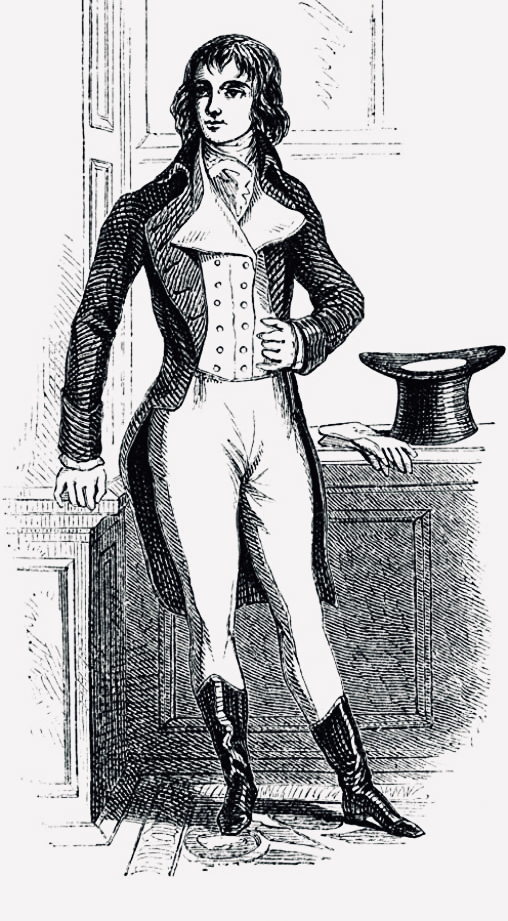
Book Review of “The Life of George Brummell, Esq.” By Captain Jesse Littell’s Living Age, 1844 Article unsigned Why on earth was such a subject […]
Category: Categories
Born A Dandy
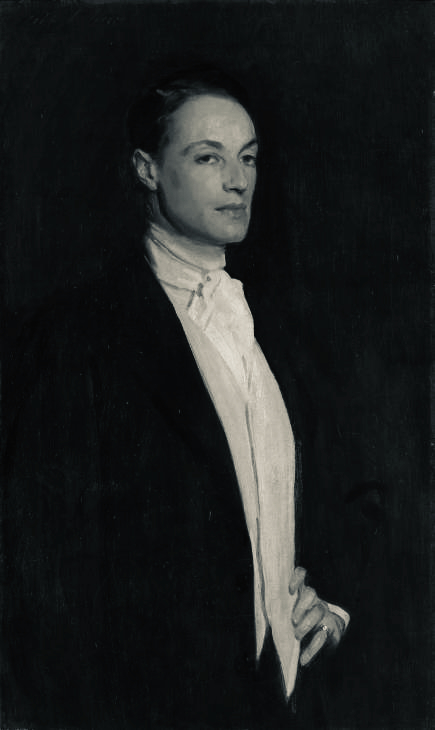
From “The Autocrat of the Breakfast-Table,” 1858 By Oliver Wendell Holmes Image: Sir Philip Sassoon by John Singer Sargent Dandies are not good for much, […]
King Of Fashion
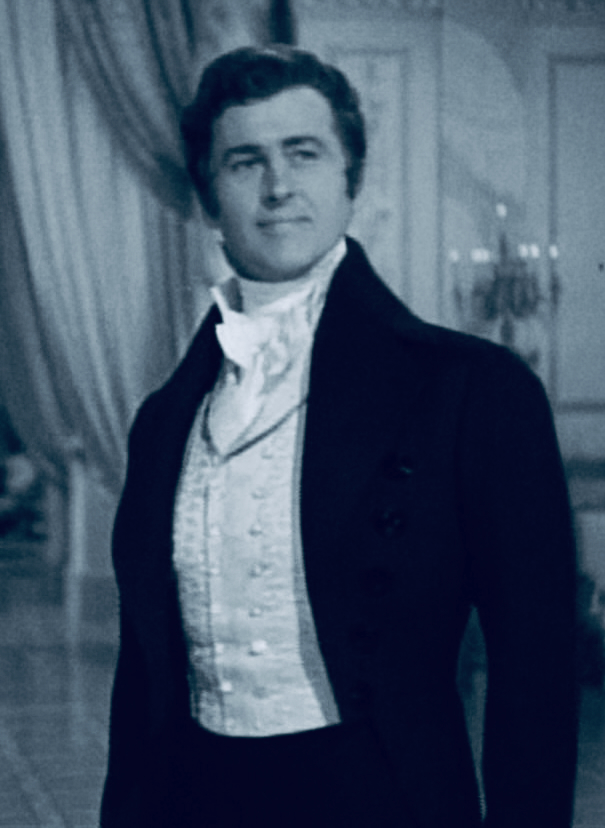
Beau Brummell From “Miscellaneou Works Vol 1: Habits And Men” By John Doran, 1857 The Distinction of Nash was his impertinence; the characteristic of Orlando […]
On Dress And Deportment
On Dress and Deportment From “Idle Thoughts of an Idle Fellow,” 1886 By Jerome K. Jerome They say — people who ought to be ashamed […]
Blackwood’s On Brummell
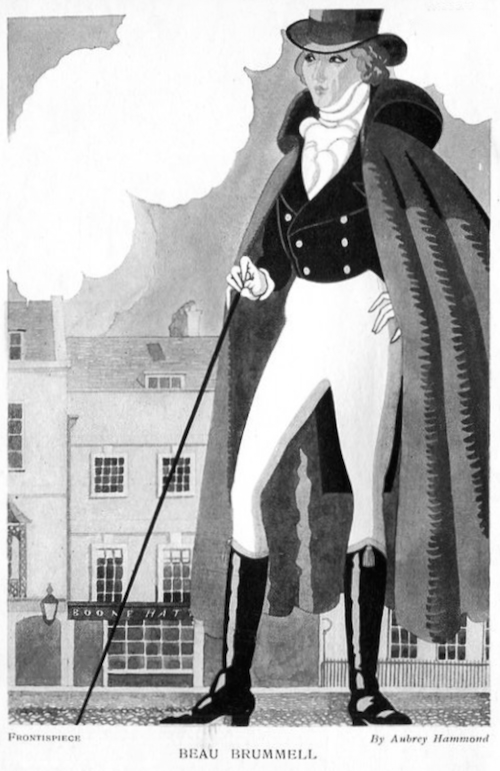
Beau Brummell From Blackwood’s Edinburgh Magazine, 1844 Article unsigned Minor edits by Moonstone Research and Publications Image: Richard Mansfield as Beau Brummell, 1907 All things […]
Dapper Fellows
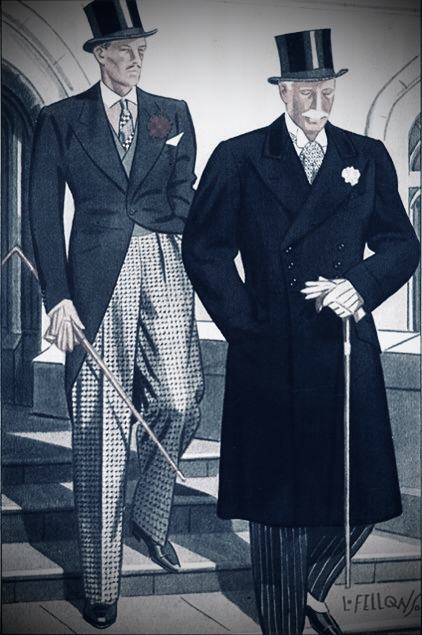
In the spring of 1934, a gentleman with a neatly trimmed mustache casts an eye in the direction of the door to an office waiting […]
Hazlitt’s Brummelliana
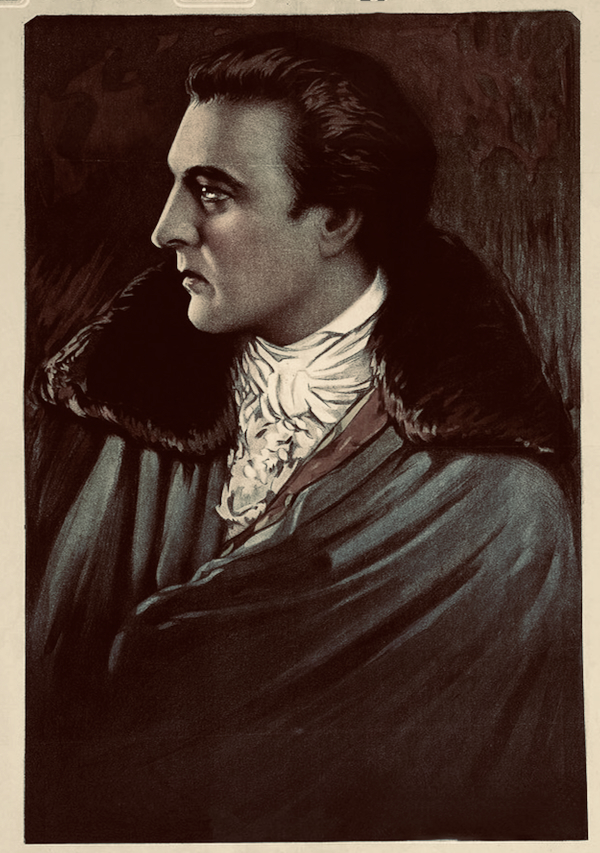
Brummelliana By William Hazlitt, 1828 Image: Detail from 1924 movie poster We look upon Beau Brummell as the greatest of small wits. Indeed, he may […]
The Very Model Of A Modern Major Minor
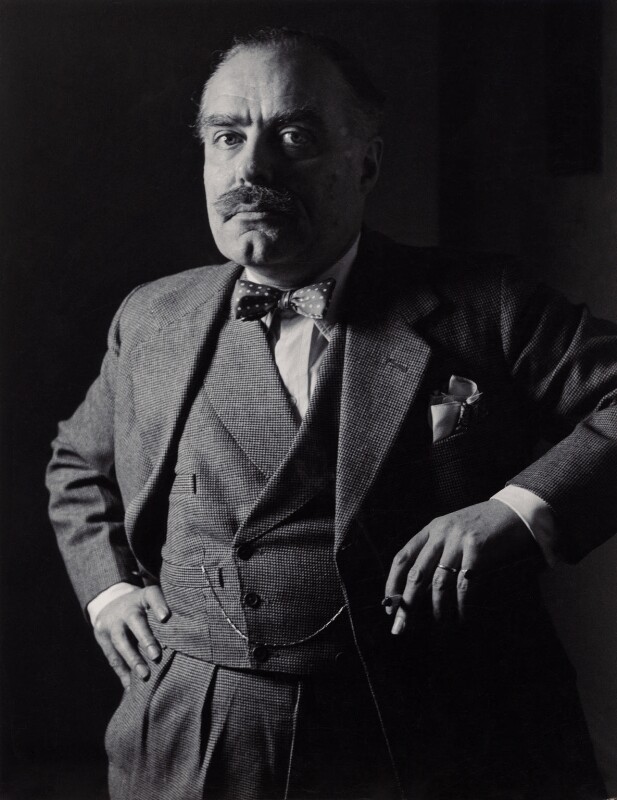
All dandies have their rituals. On a typical morning in the years just after the Second World War, Osbert Lancaster would rise about nine to […]
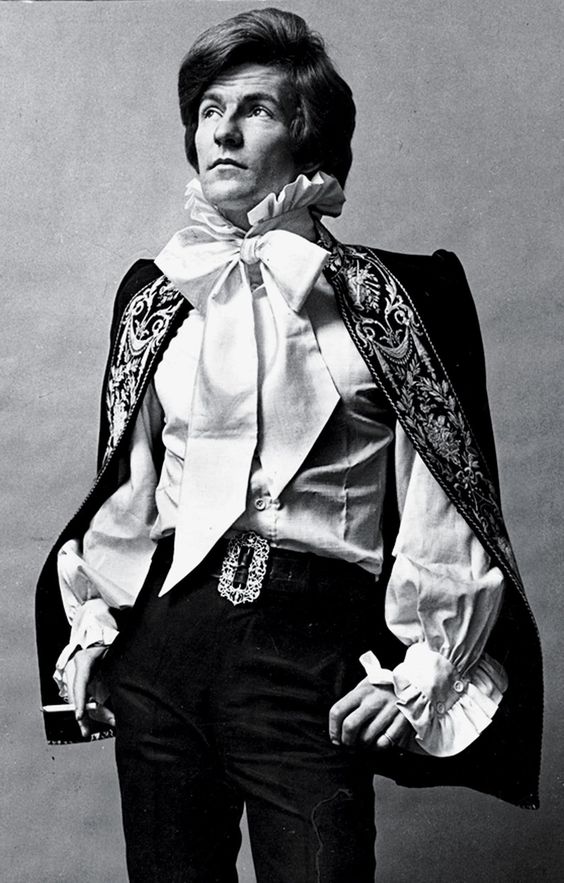
The Art Of Wearing Clothes
The Art of Wearing Clothes: The history of this rare masculine art and of the men who practice it supremely well By George Frazier Esquire, […]
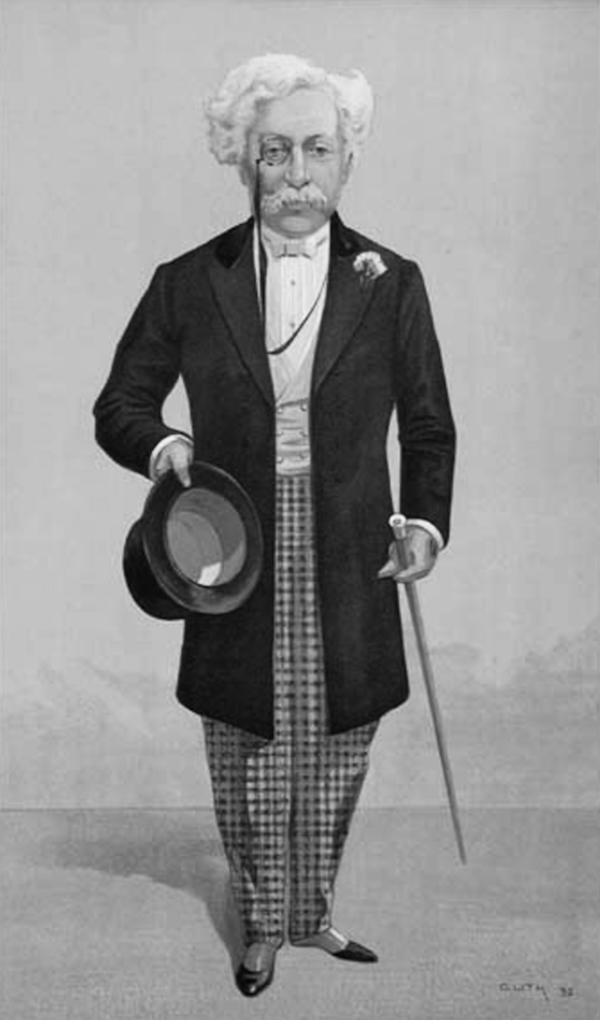
The Prince Of Chic
It’s not often one happens upon a gem in the papers, especially one with something poignant and propitious to say about the body dandiacal. Well, […]
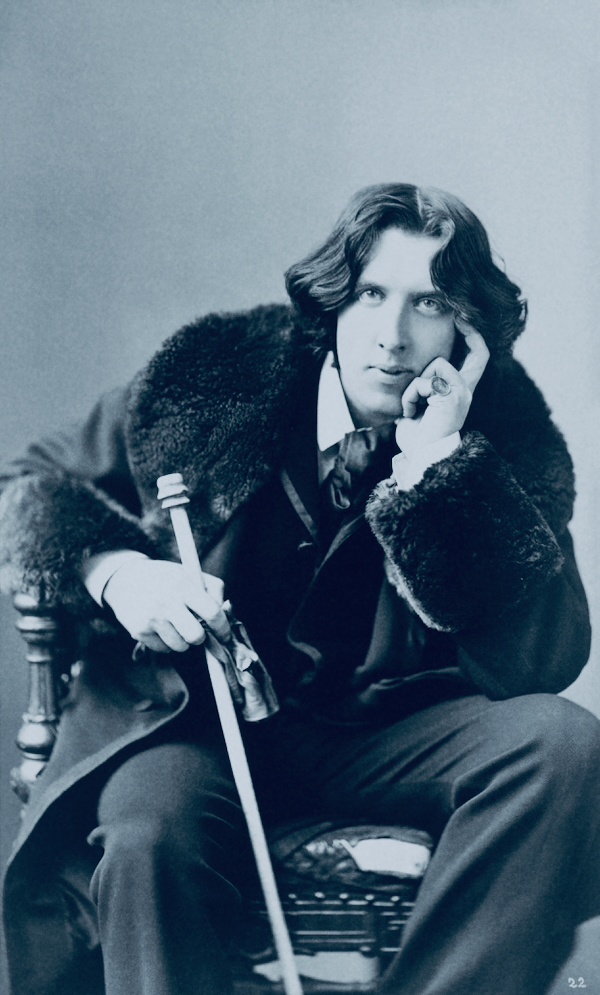
Born To Be Wilde
Oscar Wilde was controversial almost from the start. The languid pose he struck during his days at Magdelen College, Oxford in the 1870s would become […]
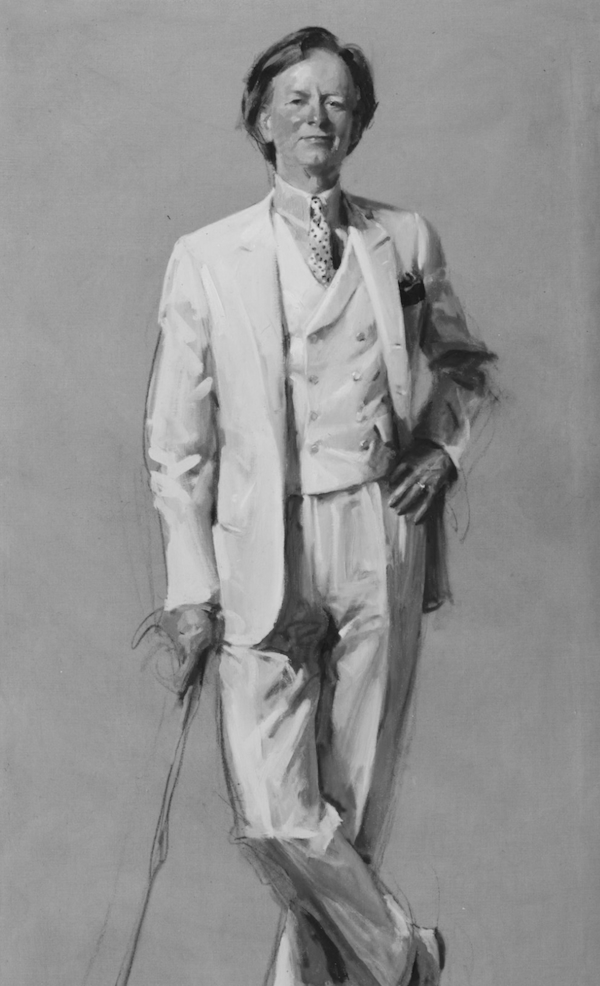
Radical Wolfe
Tom Wolfe has been gone long enough to warrant a documentary. “Radical Wolfe” debuted last week. Below, the trailer; above, portrait by Everett Raymond Kinstler.
The Beau Of Our Times
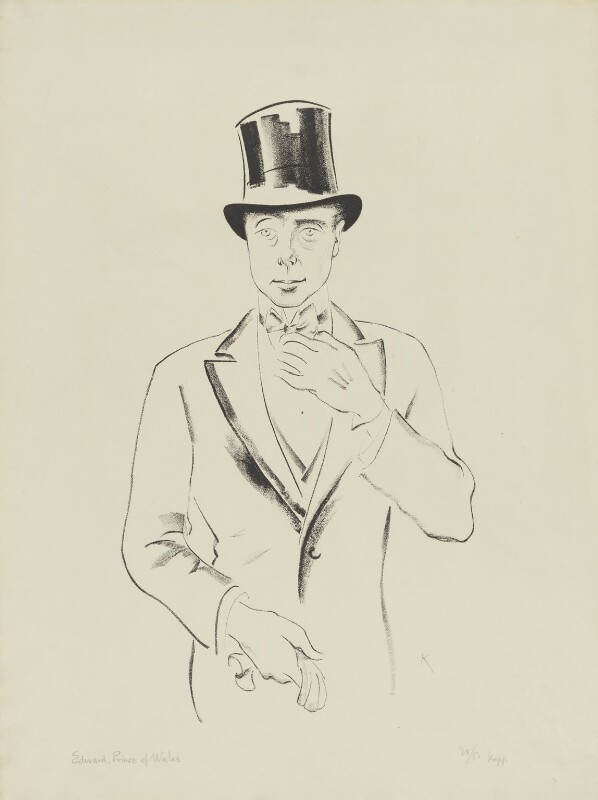
The Beau of Our Times From Apparel Arts, Spring 1933 Article unsigned “If there were no God,” said Voltaire some little time before he embraced […]
Romeo & Internet
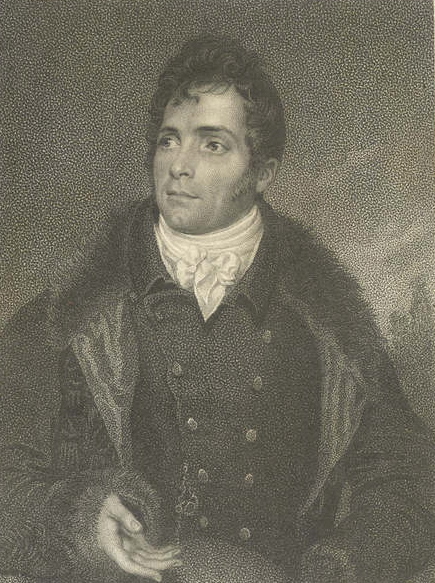
Romeo Coates By Max Beerbohm, 1896 Even now Bath glories in his legend, not idly, for he was the most fantastic animal that ever stepped upon […]
Pelham’s Maxims
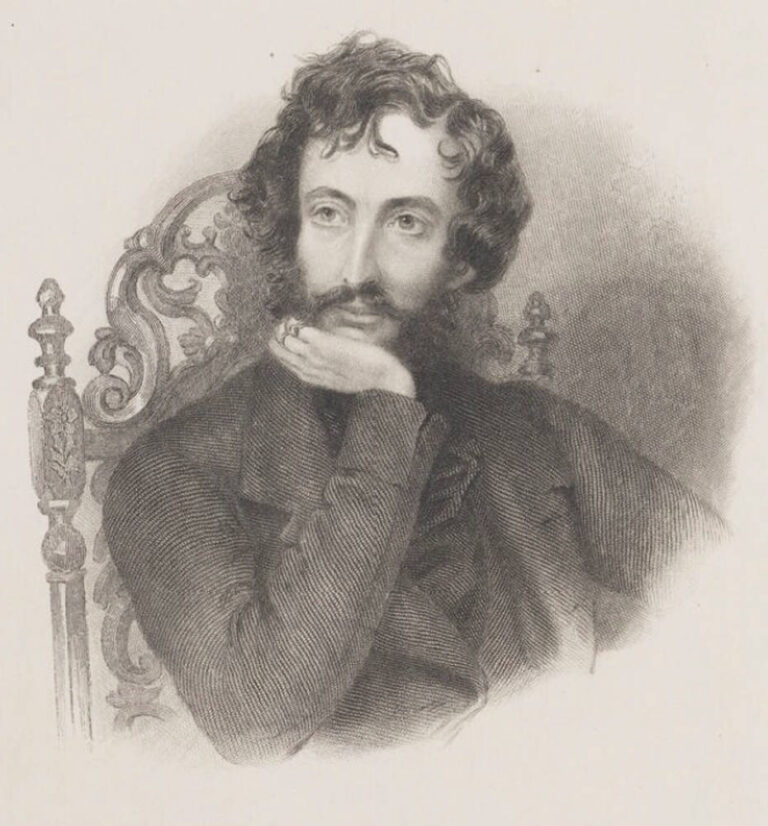
From “Pelham: Or the Adventures of a Gentleman” By Edward Bulwer-Lytton, 1828 1) Do not require your dress so much to fit, as to adorn […]
Man Of Flowers
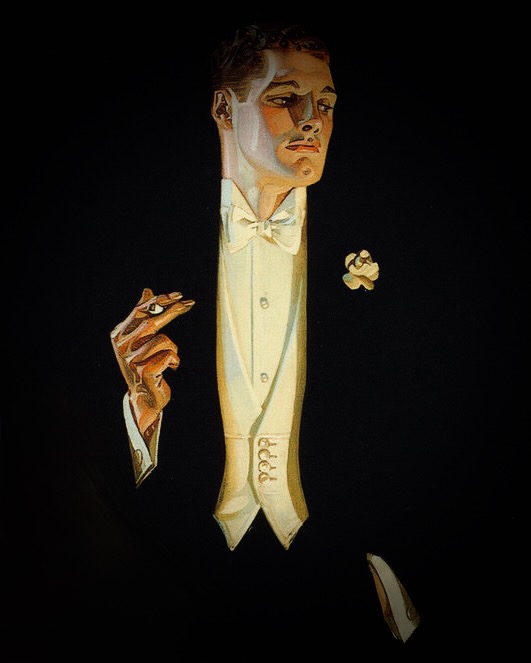
“Reginald slid a carnation of the newest shade into the buttonhole of his latest lounge coat and surveyed the results with approval. ‘I am just […]
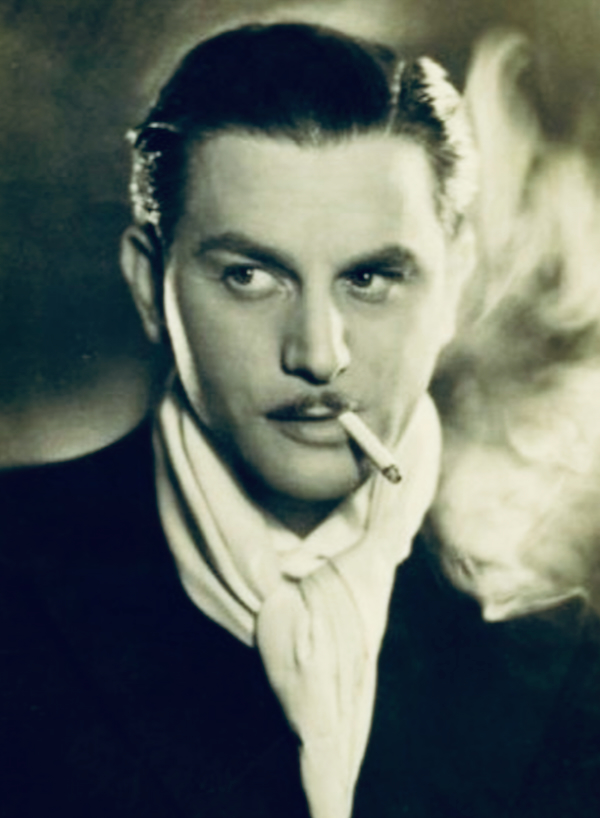
A Nero Of Our Time
Cold, elegant and aloof, Boris Lermontov is the “attractive brute” at the center of “The Red Shoes,” the 1948 cinematic masterpiece by Powell & Pressburger. […]
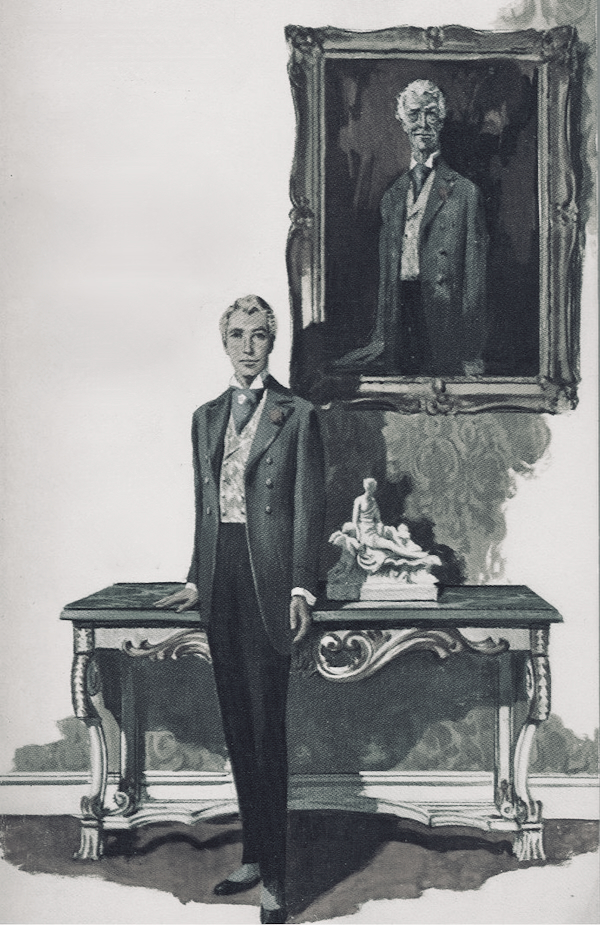
Letters To A Young Dandy
My Dear Palmieri: It is a rare and wonderful gift for a curmudgeon such as myself to receive the praise of youth. It’s nice […]
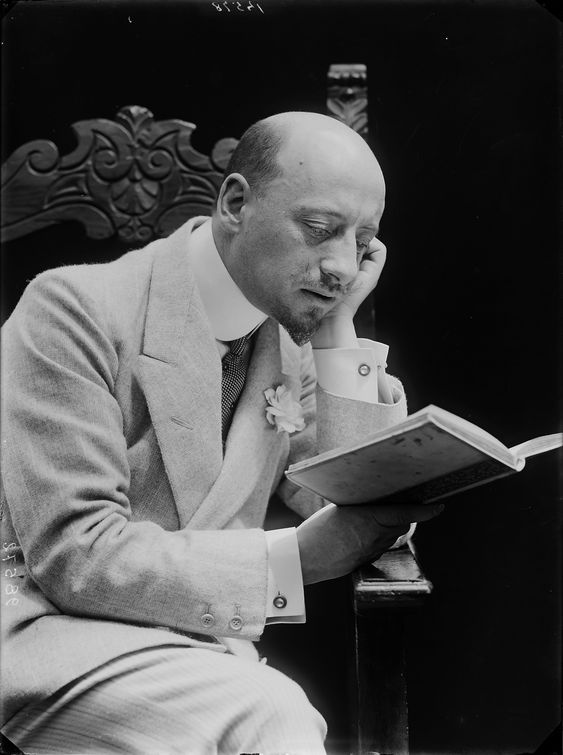
Social & Literary Dandyism
Social and Literary Dandyism Littell’s Living Age, 1880 Article unsigned Dandies, like saints, are never much beloved by their fellow-creatures. Like saints, they have an […]
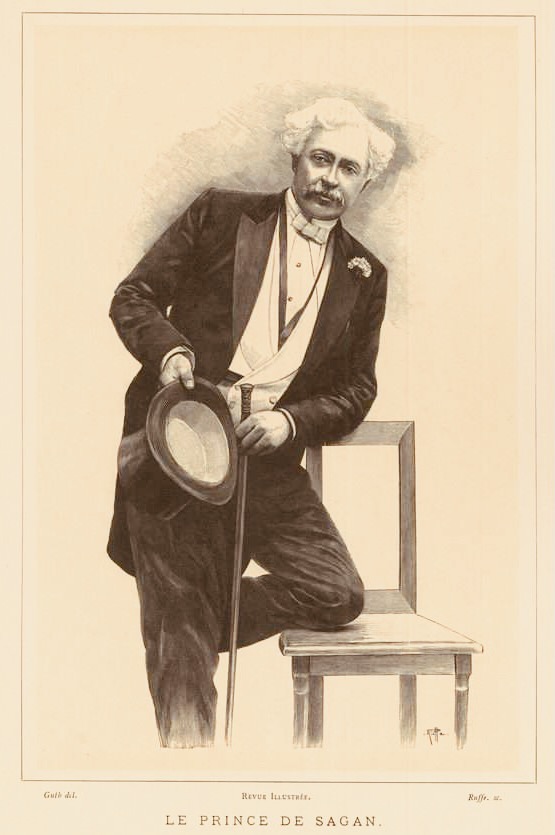
Dandyism In Practice
What does the dandy do when he wakes up early in the afternoon? Does he moon over beauty and contemplate the eternal verities? Does he […]
The Parks Of London
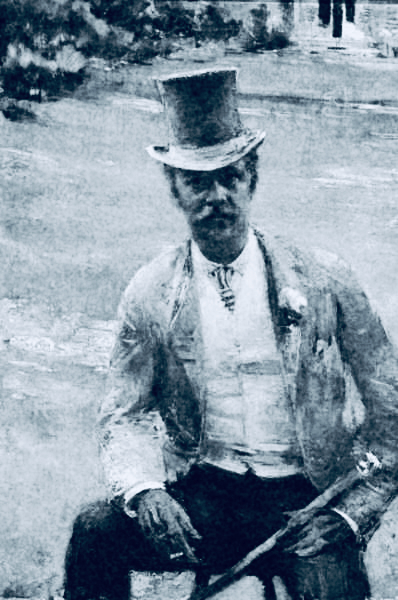
From “The Parks of London,” 1868 By Mary Elizabeth Braddon Image: “Portrait of Octave Maus” by Theo Van Rysselberghe But we must pass on to […]