

After 21 years, Dandyism.net founder Christian Chensvold has passed the role of editor and publisher to Nathaniel Adams, author of the “I Am Dandy” book […]
Category: Personae
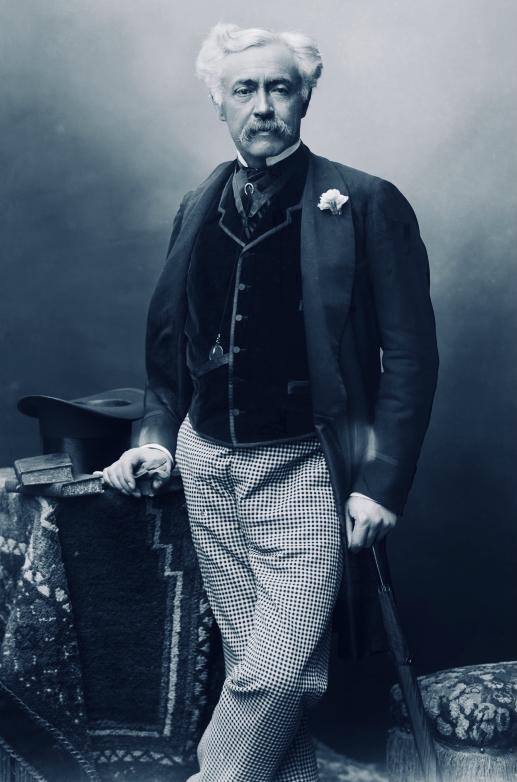
King Of The Dandies
The magnificent creature you see above is Boson de Talleyrand-Périgord, prince de Sagan (1832-1910). Sagan is the Missing Link in the Dynasty of Dandies. Perhaps that’s […]
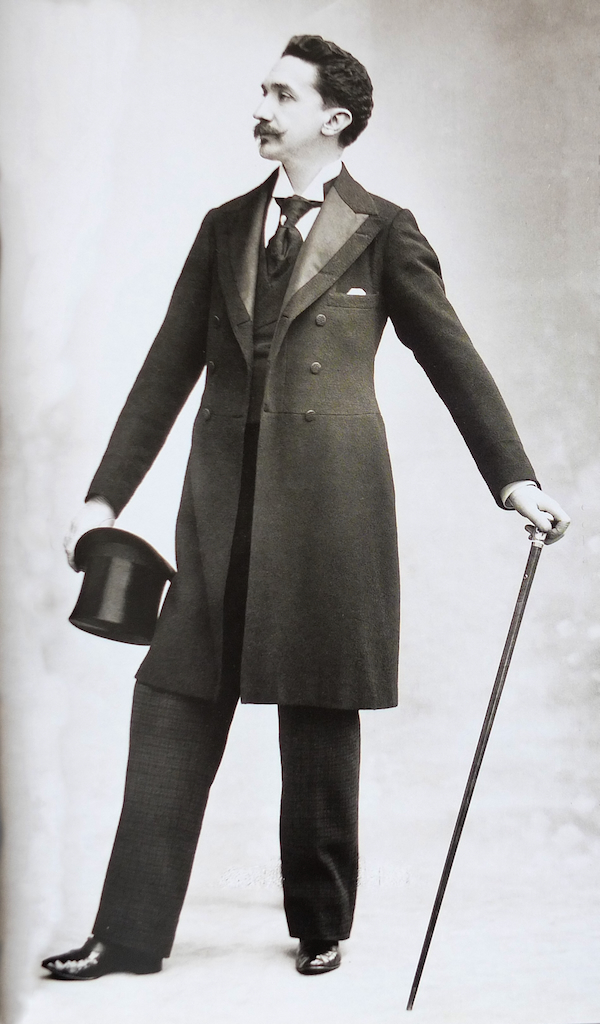
Robert de Montesquiou
Robert de Montesquiou: The Magnificent Dandy From “Elegant Wits And Grand Horizontals” By Cornelia Otis Skinner, 1962 In a charming book of memoirs Elisabeth de […]
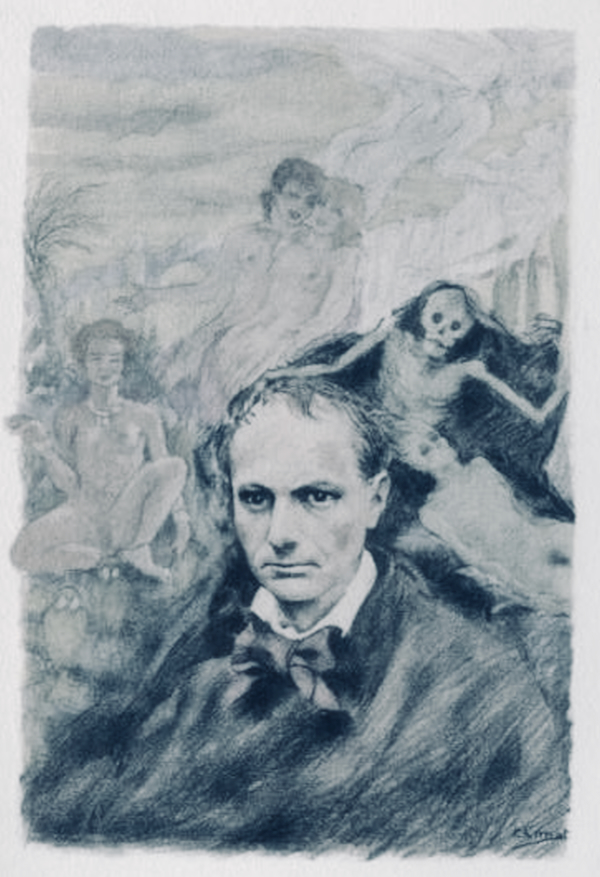
A Man For Times Of Decadence
From “Essai de psychologie contemporaine: Charles Baudelaire” by Paul Bourget La Nouvelle Revue 13, 1881 If a special nuance in the meaning of love and […]
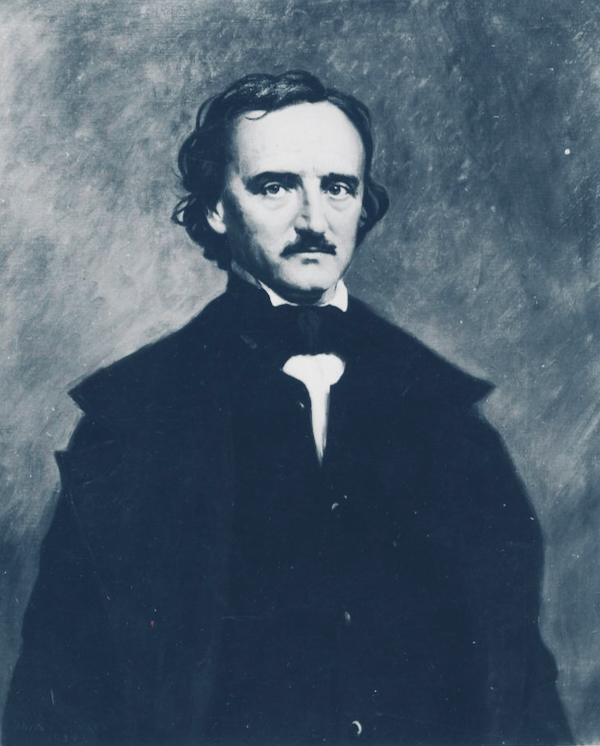
Aristocratic By Nature
From “New Notes On Edgar Poe,” 1857 By Charles Baudelaire Decadent literature! Empty words which we often hear fall, with thes onority of a deep […]
I Lock The Door Upon Myself
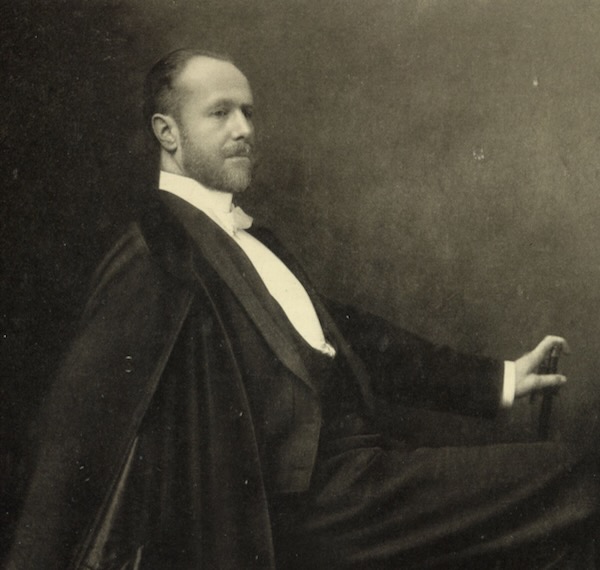
In 1900 Fernand Khnopff had a house built according to his plans — a house with false windows. Silence and solitude were central themes in the […]
The Prophet Of Dandyism
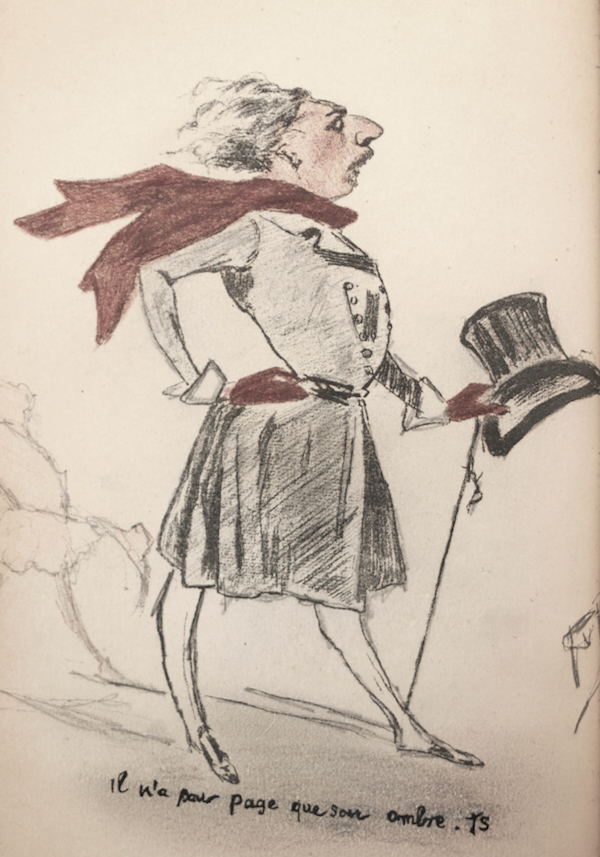
If it weren’t for Barbey d’Aurevilly, you probably wouldn’t be reading this. What do we mean? That if he hadn’t been born this week in […]
Spleen On Me
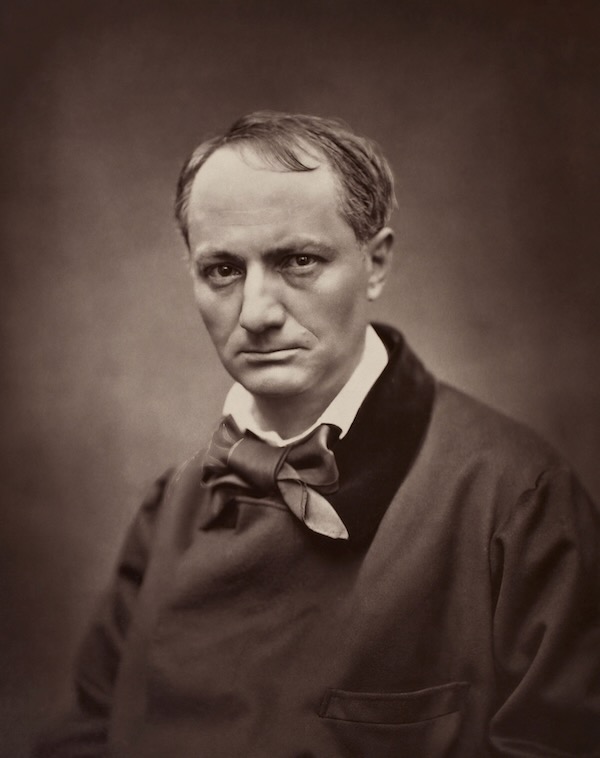
Since 1863, a certain type of young man — talented perhaps, but not creative; spiritual and philosophic, yet with expensive tastes; dismissive of commercial success, […]
Symphony In Spite
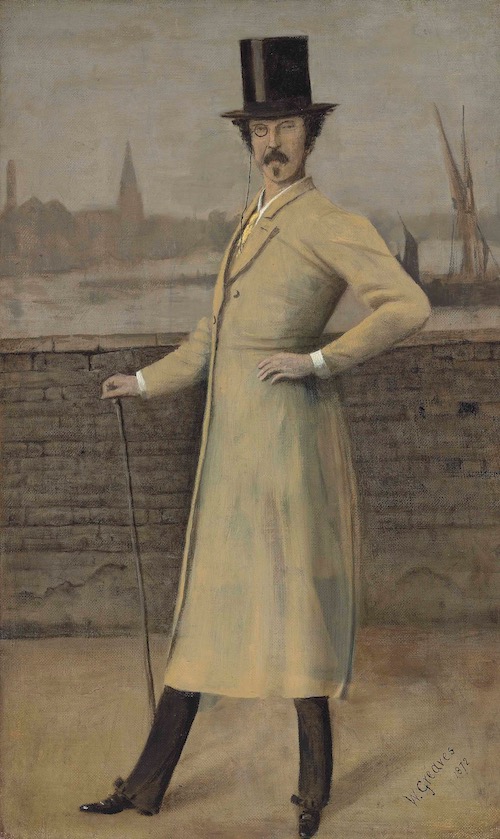
Being accosted by a fellow American in London put Gilded Age painter and dandy James Abbot McNeill Whistler into a caustic funk. When the uppity […]
The Eccentric Mr. Brummell
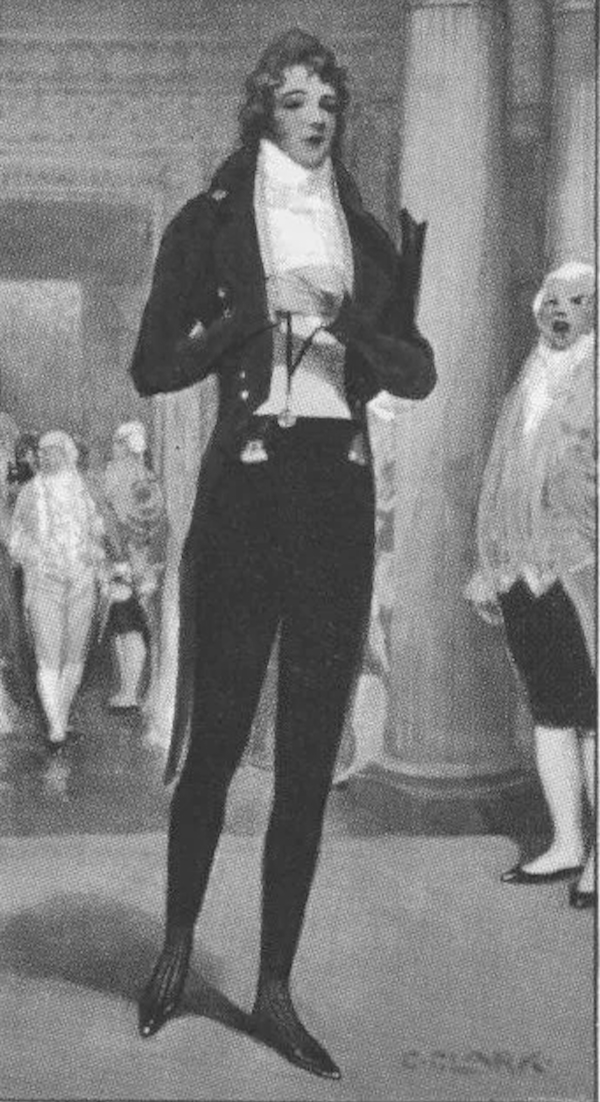
Beau Brummell From “Eccentric Personages,” 1864 By W. Russell It is a solemn truth that every death-bed is the final scene of a great tragedy, […]
The Vice Of High Civilization
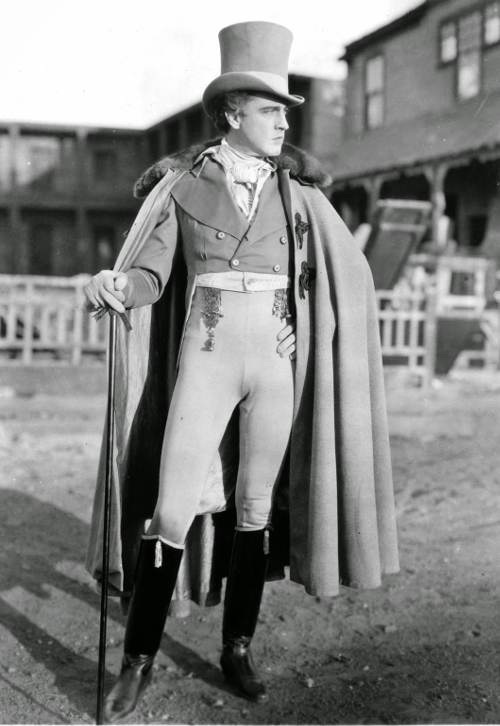
Beau Brummell From “Wits and Beaux of Society” By Grace and Philip Wharton, 1861 It is astonishing to what a number of insignificant things high […]
Overrated Hero
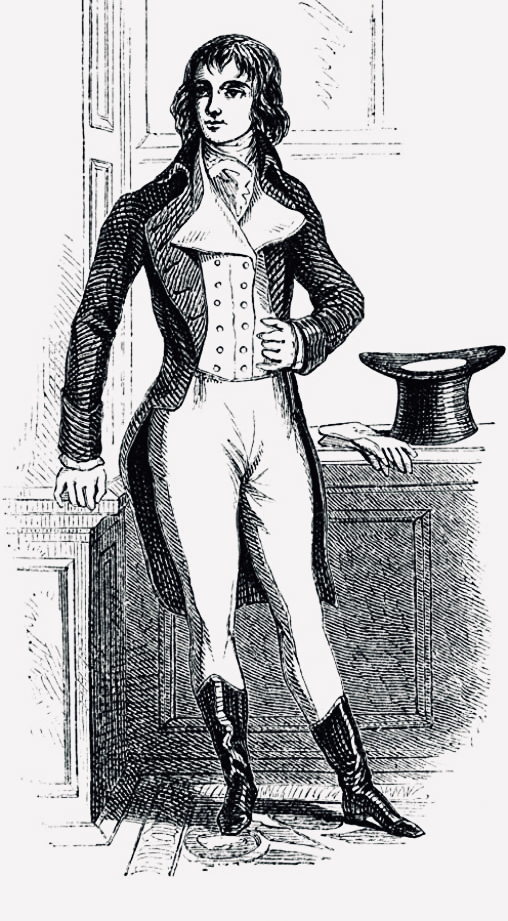
Book Review of “The Life of George Brummell, Esq.” By Captain Jesse Littell’s Living Age, 1844 Article unsigned Why on earth was such a subject […]
King Of Fashion
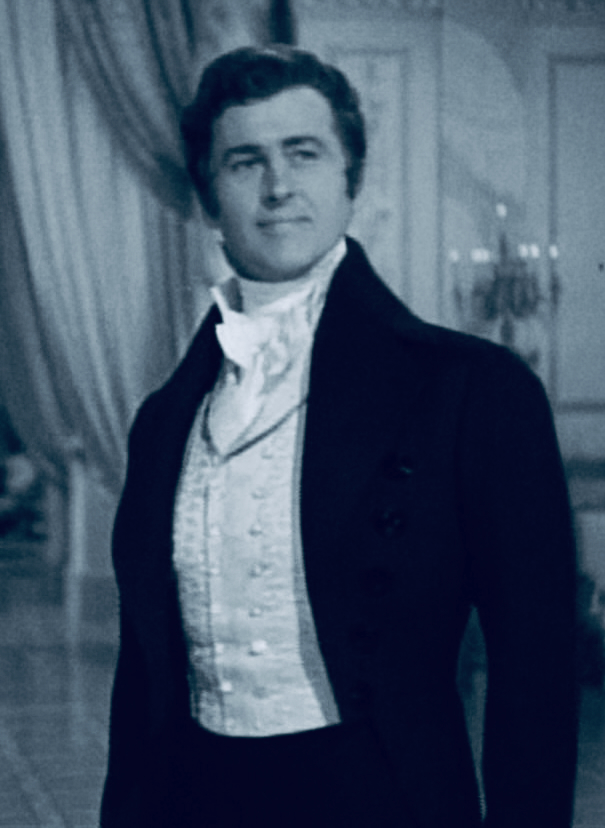
Beau Brummell From “Miscellaneou Works Vol 1: Habits And Men” By John Doran, 1857 The Distinction of Nash was his impertinence; the characteristic of Orlando […]
Blackwood’s On Brummell
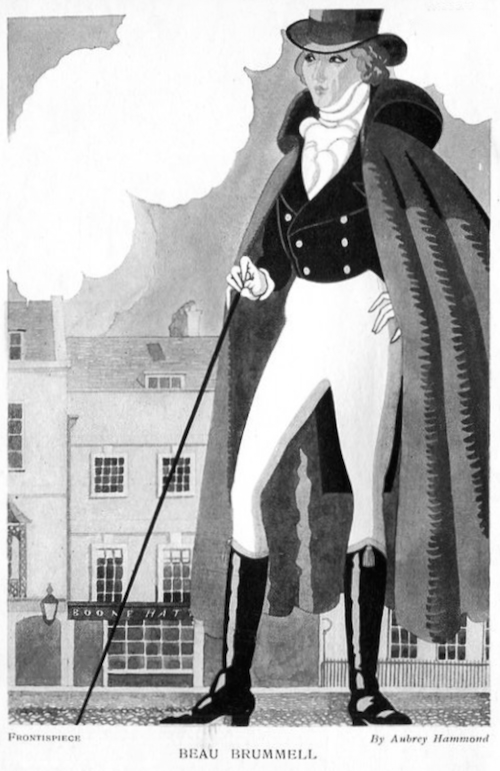
Beau Brummell From Blackwood’s Edinburgh Magazine, 1844 Article unsigned Minor edits by Moonstone Research and Publications Image: Richard Mansfield as Beau Brummell, 1907 All things […]
Dapper Fellows
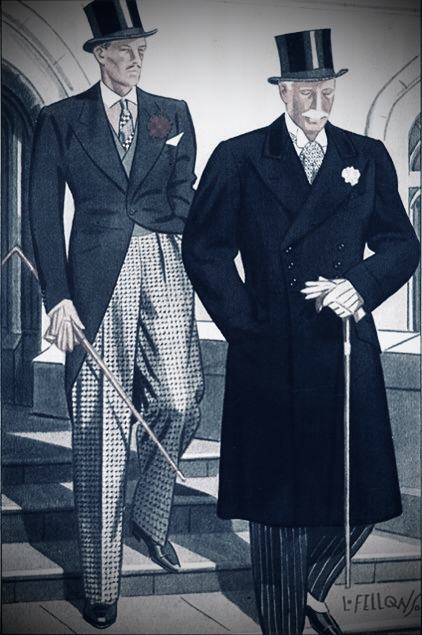
In the spring of 1934, a gentleman with a neatly trimmed mustache casts an eye in the direction of the door to an office waiting […]
Hazlitt’s Brummelliana
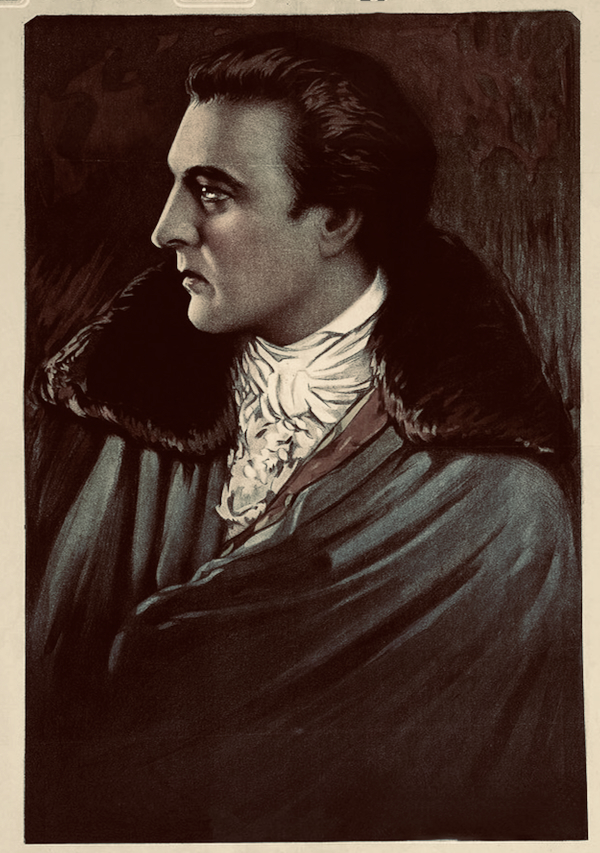
Brummelliana By William Hazlitt, 1828 Image: Detail from 1924 movie poster We look upon Beau Brummell as the greatest of small wits. Indeed, he may […]
The Very Model Of A Modern Major Minor
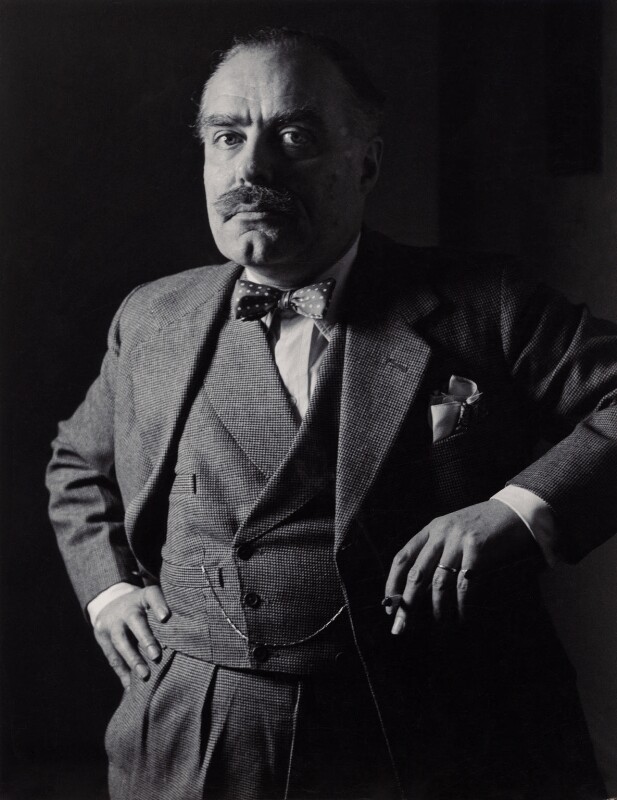
All dandies have their rituals. On a typical morning in the years just after the Second World War, Osbert Lancaster would rise about nine to […]
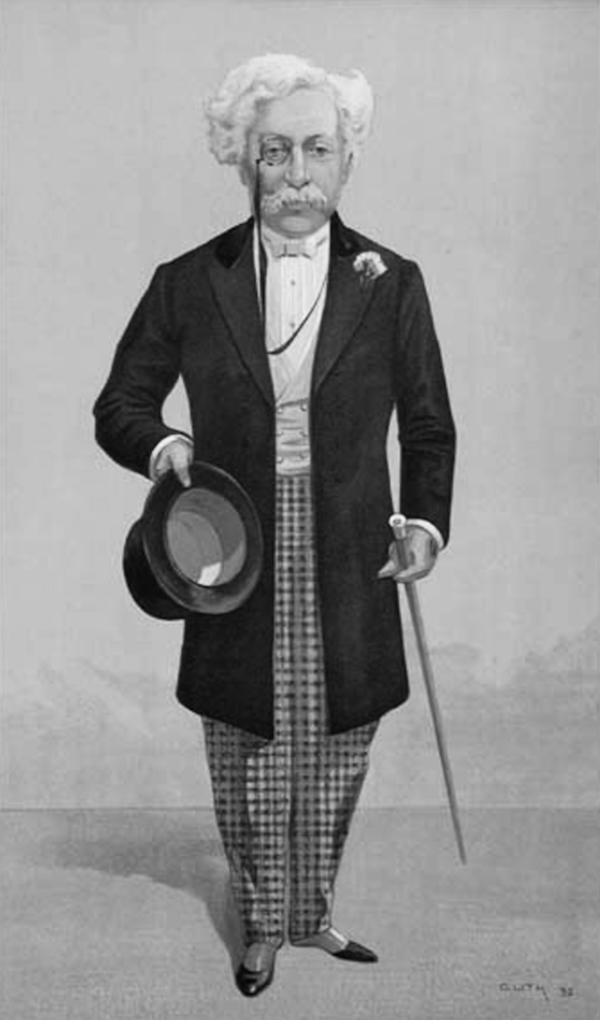
The Prince Of Chic
It’s not often one happens upon a gem in the papers, especially one with something poignant and propitious to say about the body dandiacal. Well, […]
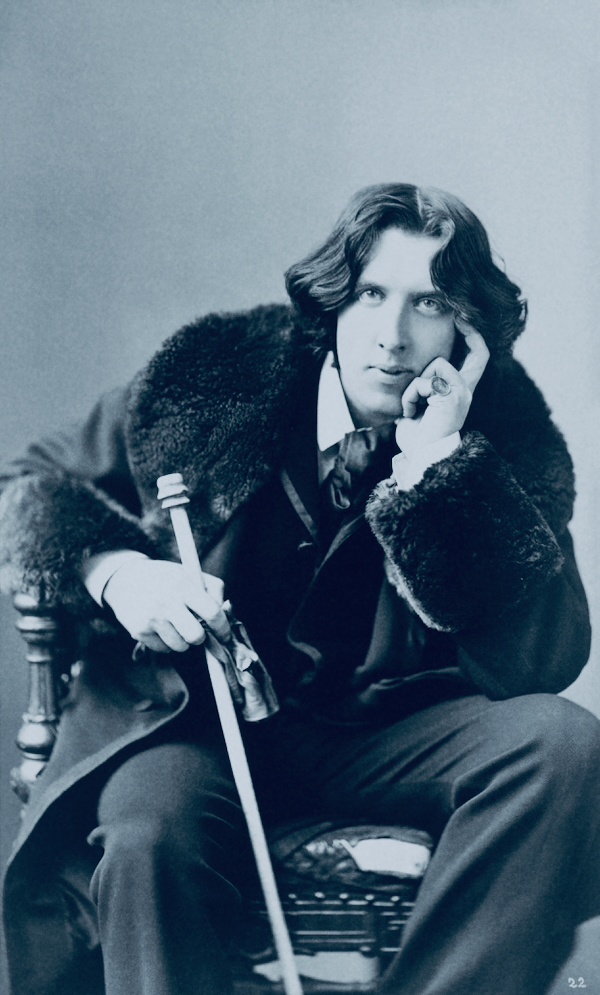
Born To Be Wilde
Oscar Wilde was controversial almost from the start. The languid pose he struck during his days at Magdelen College, Oxford in the 1870s would become […]
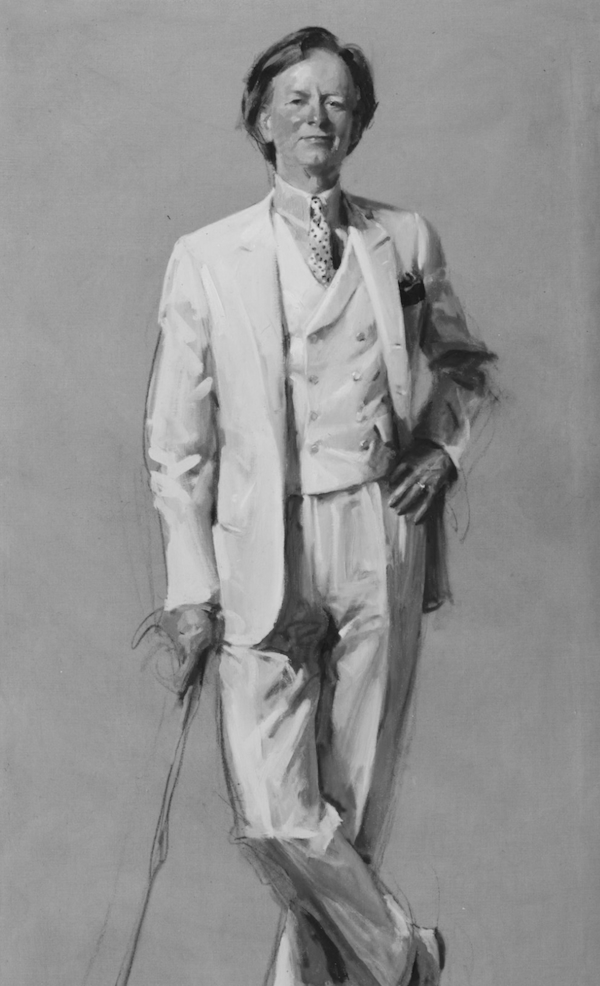
Radical Wolfe
Tom Wolfe has been gone long enough to warrant a documentary. “Radical Wolfe” debuted last week. Below, the trailer; above, portrait by Everett Raymond Kinstler.
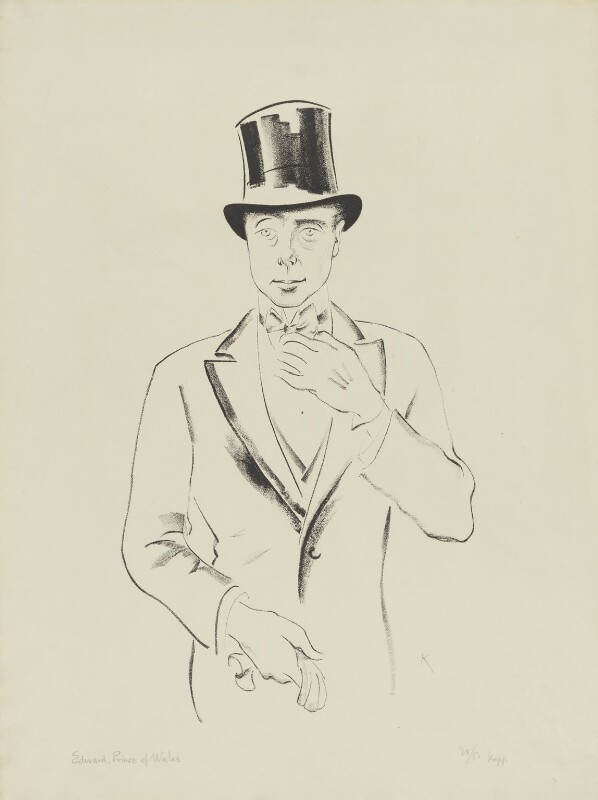
The Beau Of Our Times
The Beau of Our Times From Apparel Arts, Spring 1933 Article unsigned “If there were no God,” said Voltaire some little time before he embraced […]